Official Website

Jamaat-e-Islami Hazara

Striving for ideological revival, social justice, and democratic values in the Hazara region through peaceful means and constructive engagement.

0 Members
0 Districts
0 Departments
0 Years
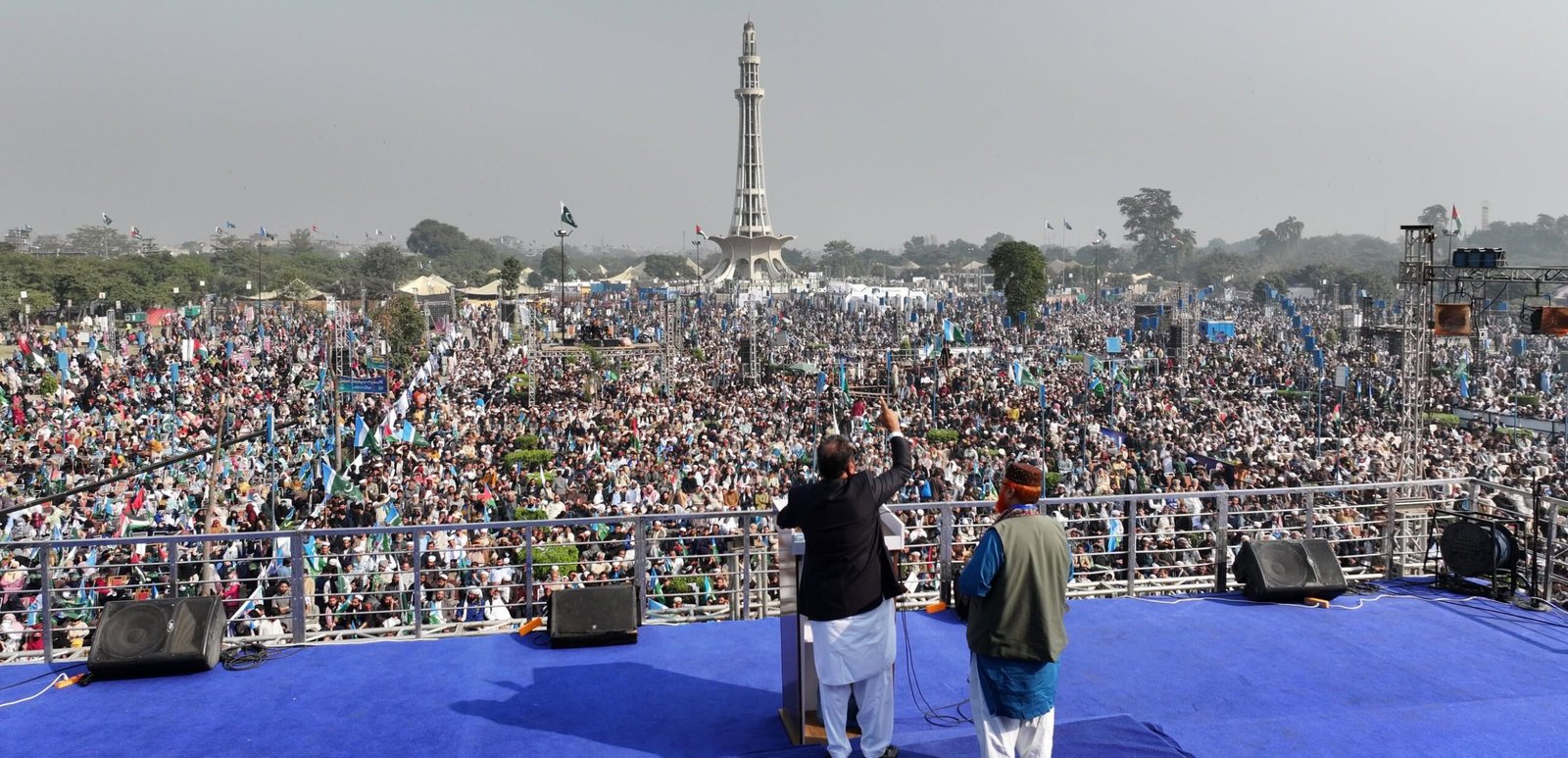
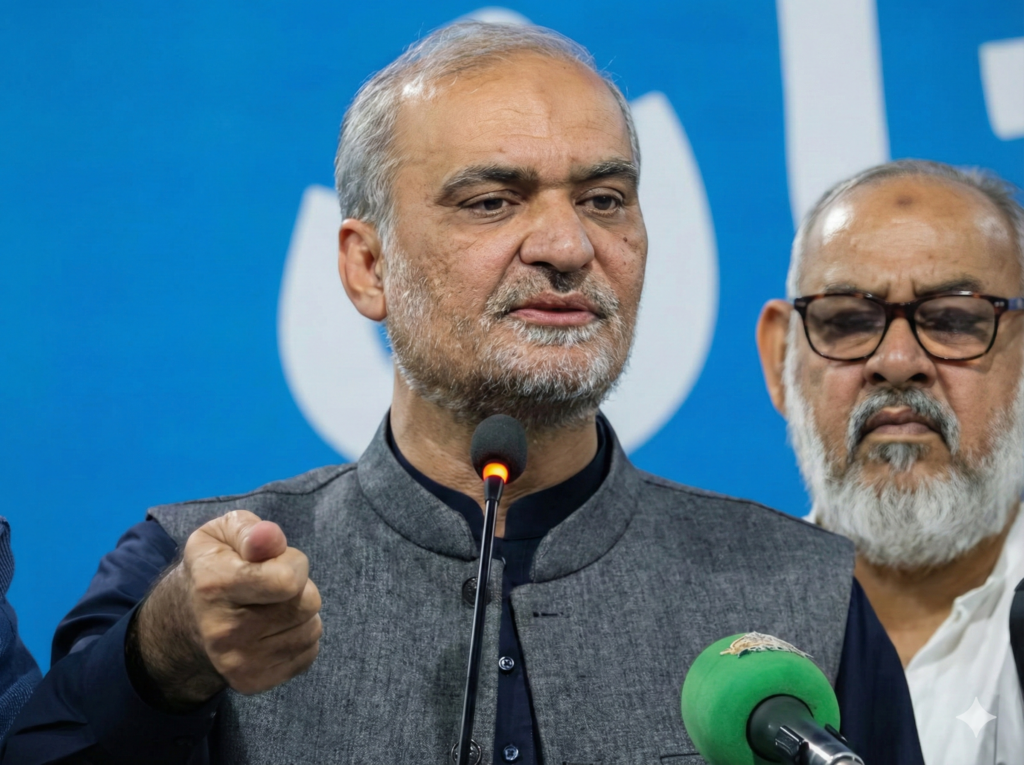
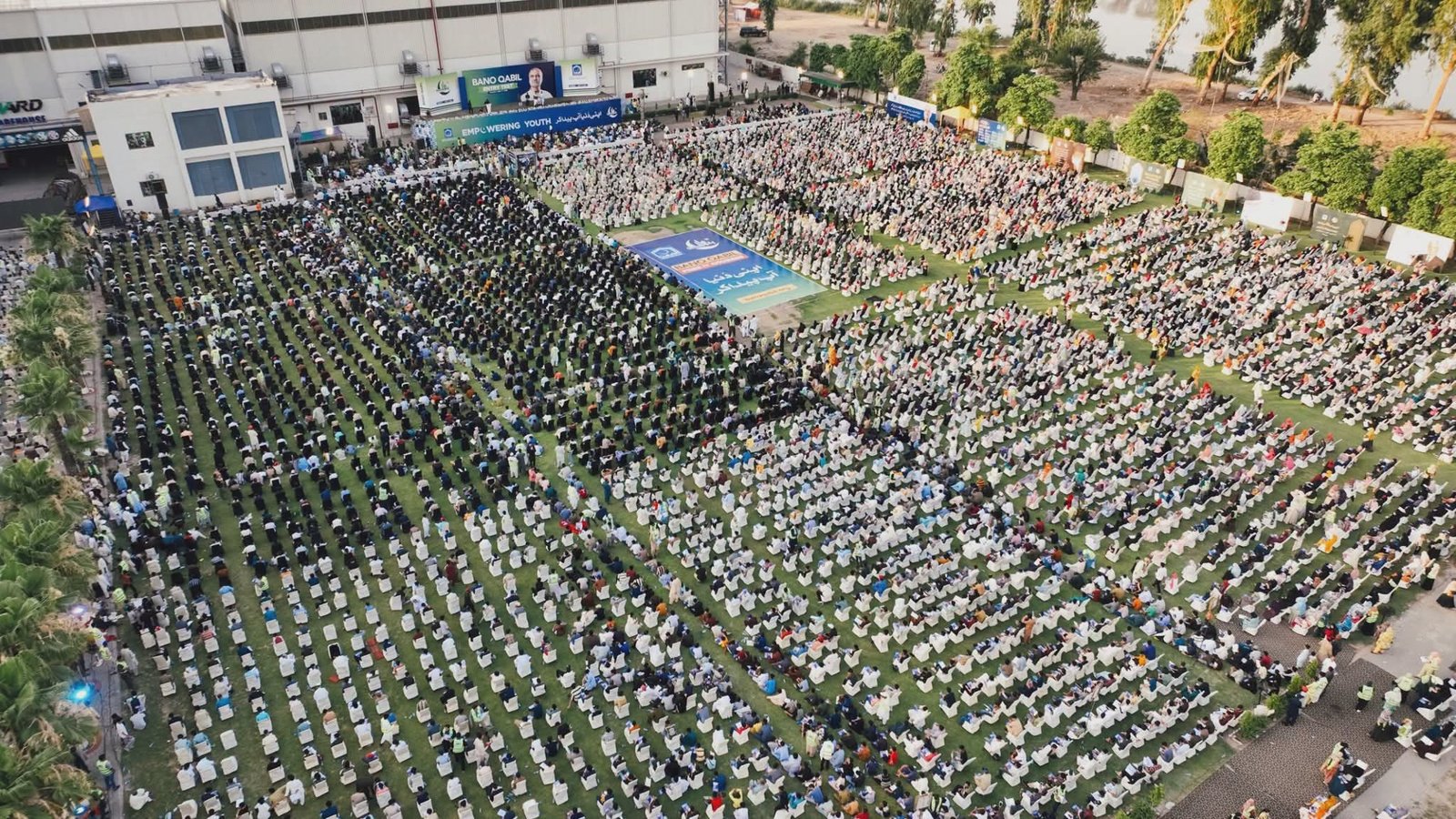
Jamaat-e-Islami Hazara gathering

Annual Convention 2026

Unity, faith, and service to the community.

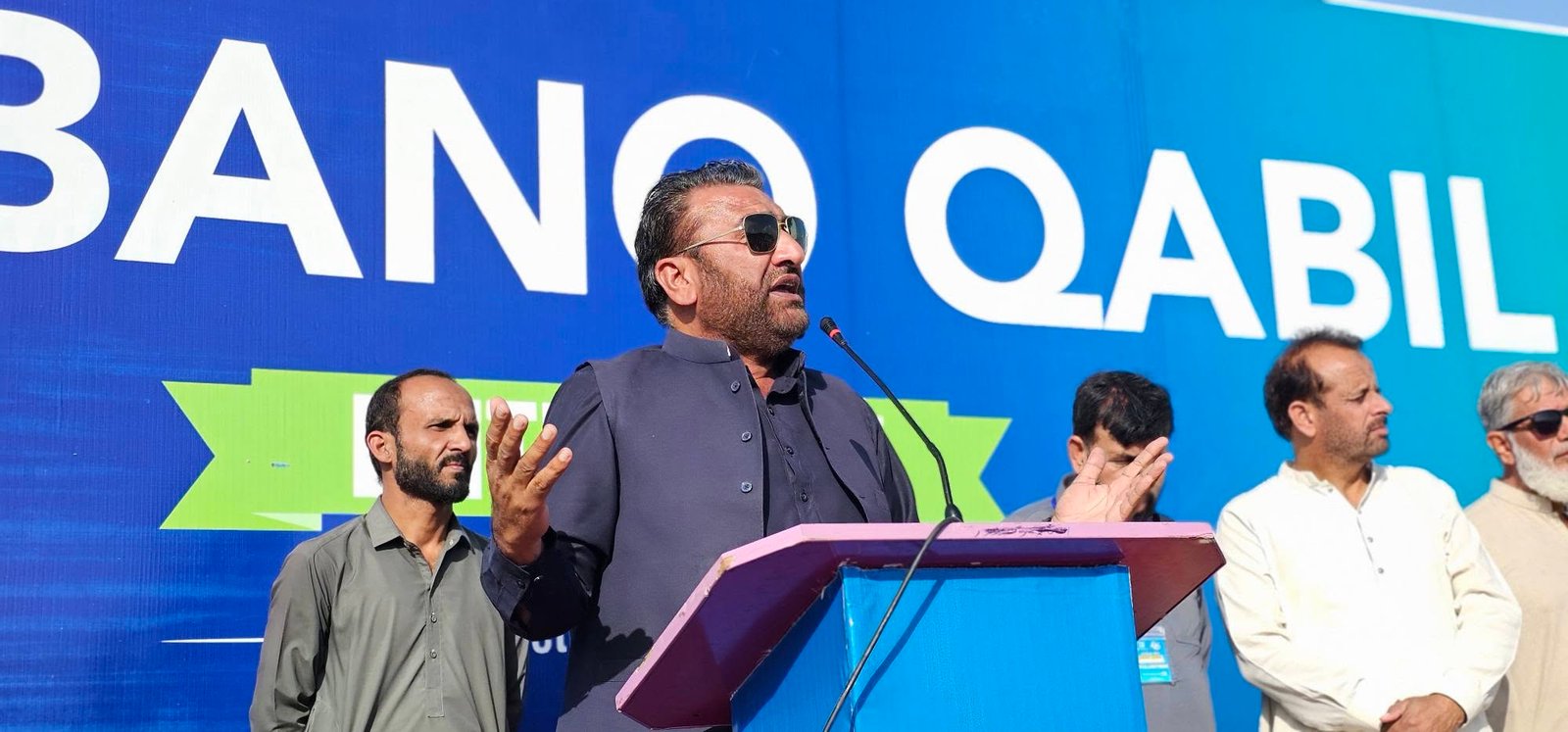
Community service program

Social Welfare Programs

Healthcare, education, and relief efforts.

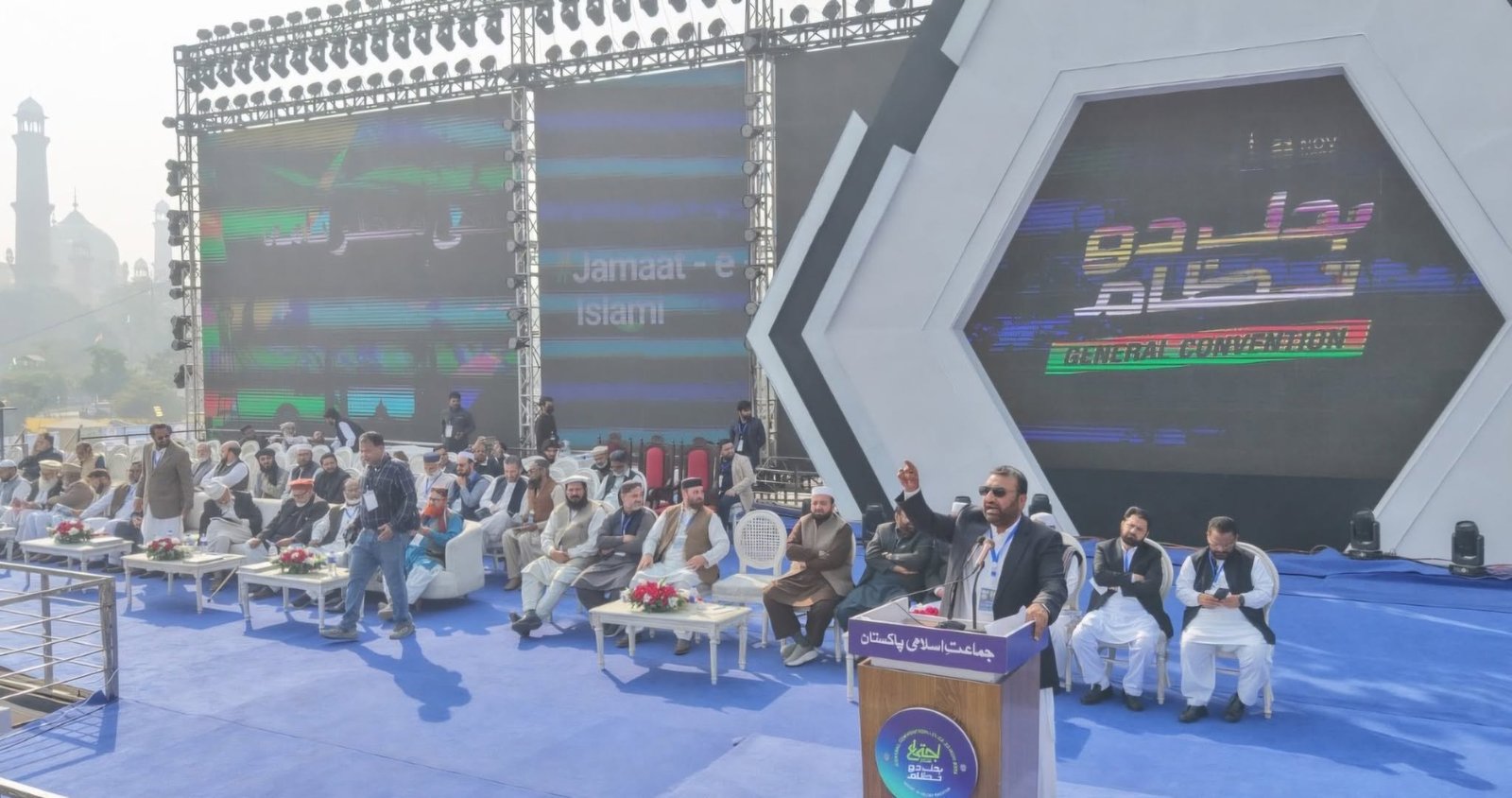
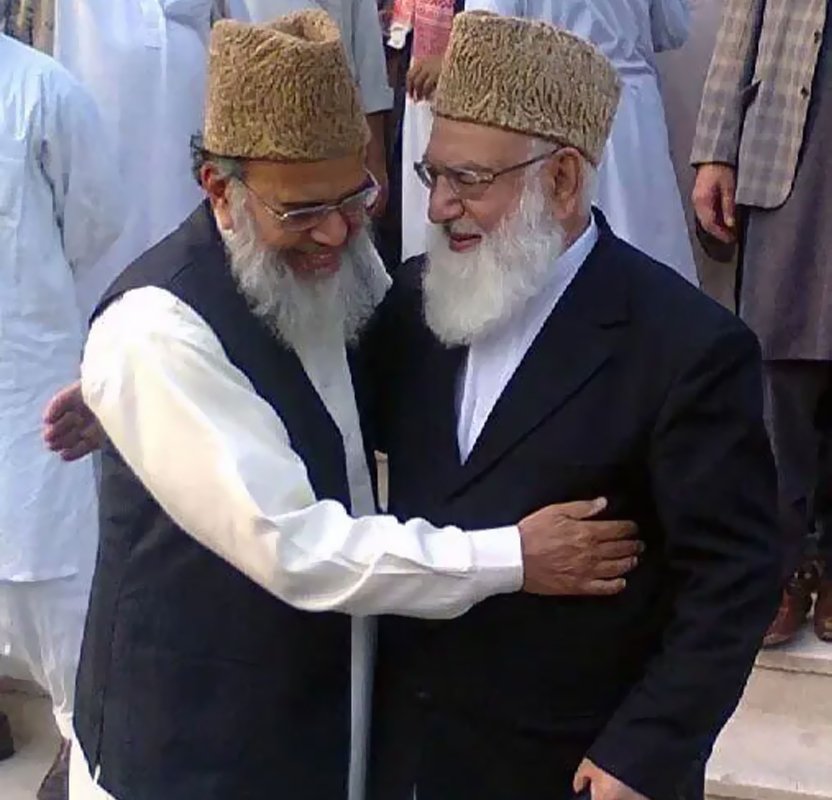
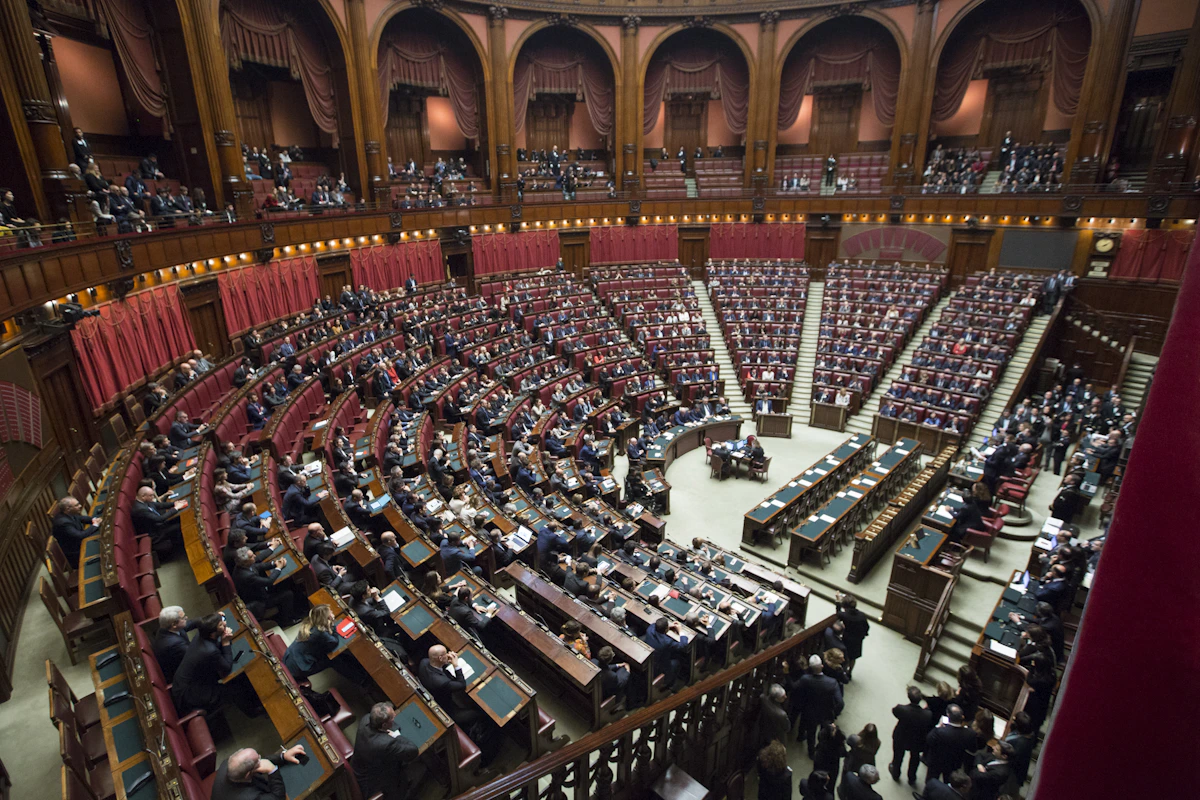
Leadership meeting

Leadership Summit

Strategic vision for the future of the region.

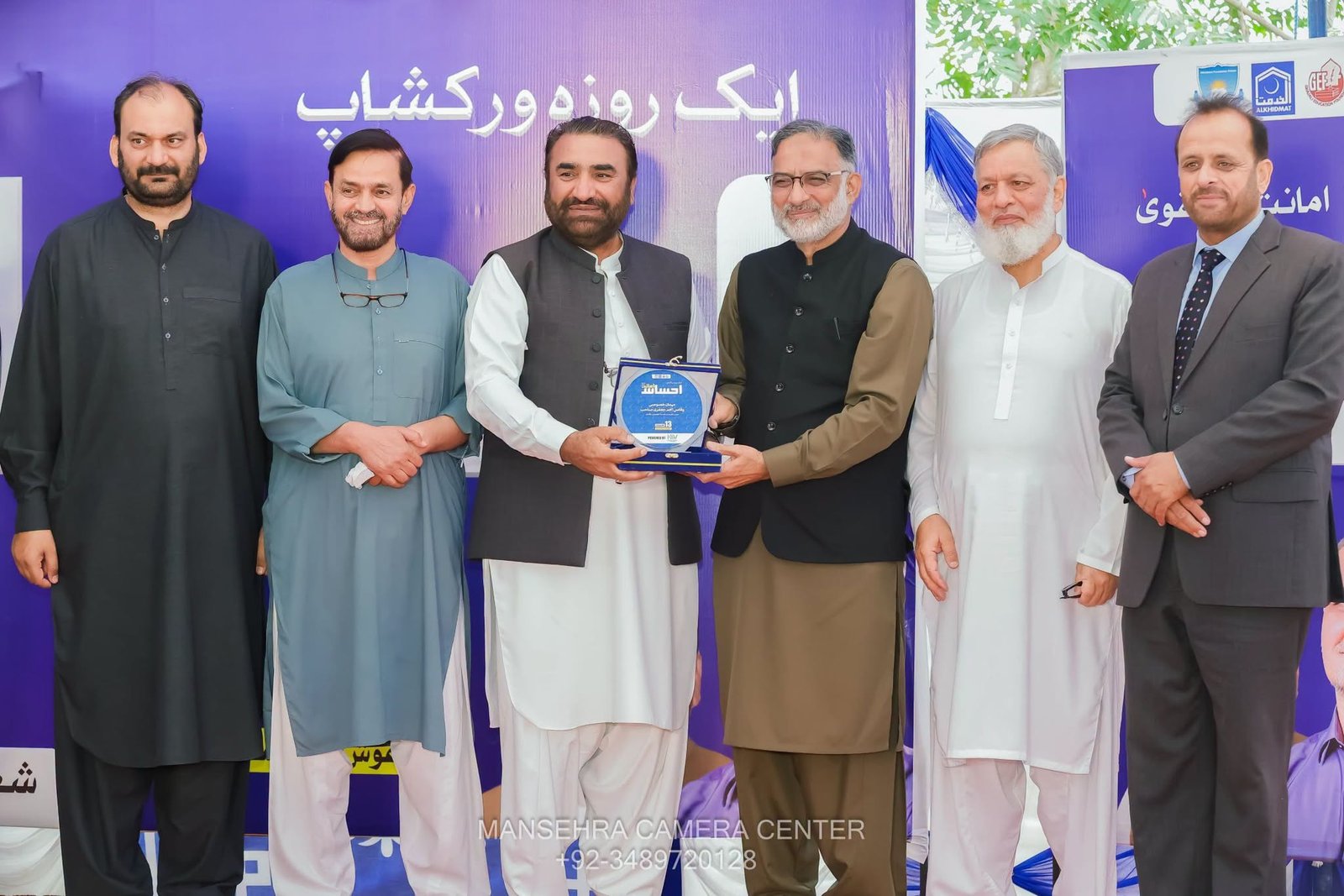
Youth empowerment event

Youth Empowerment

Building the next generation of leaders.

About

History

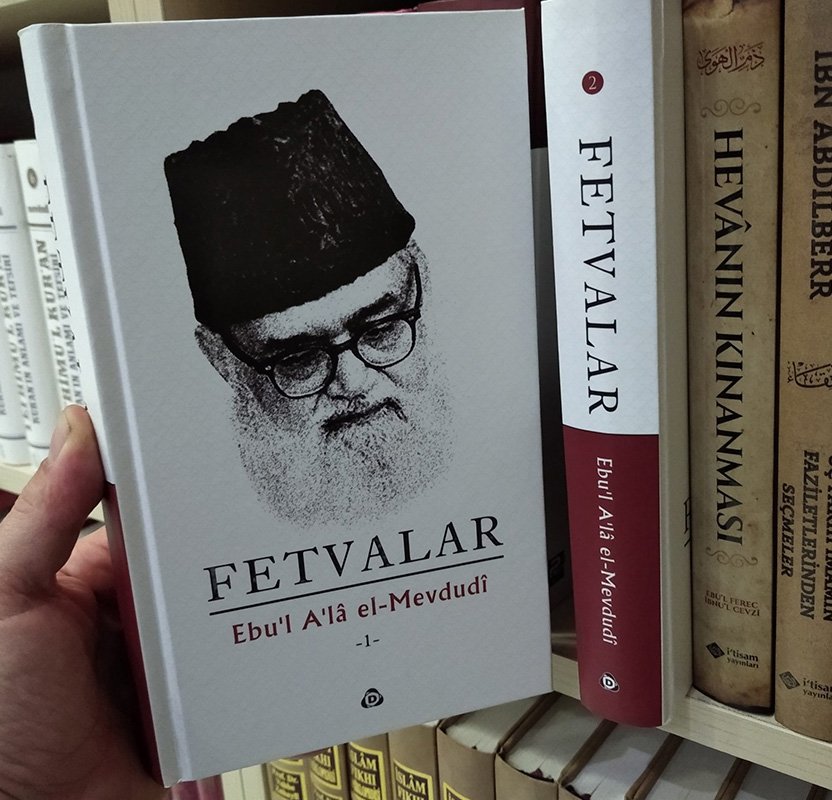
Books

Dastoor

Jamaat-e-Islami

Why is it unique?

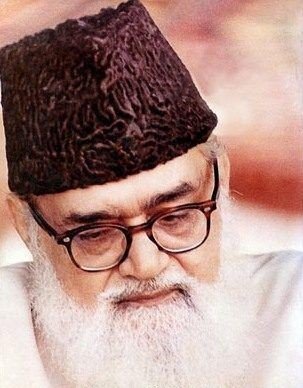
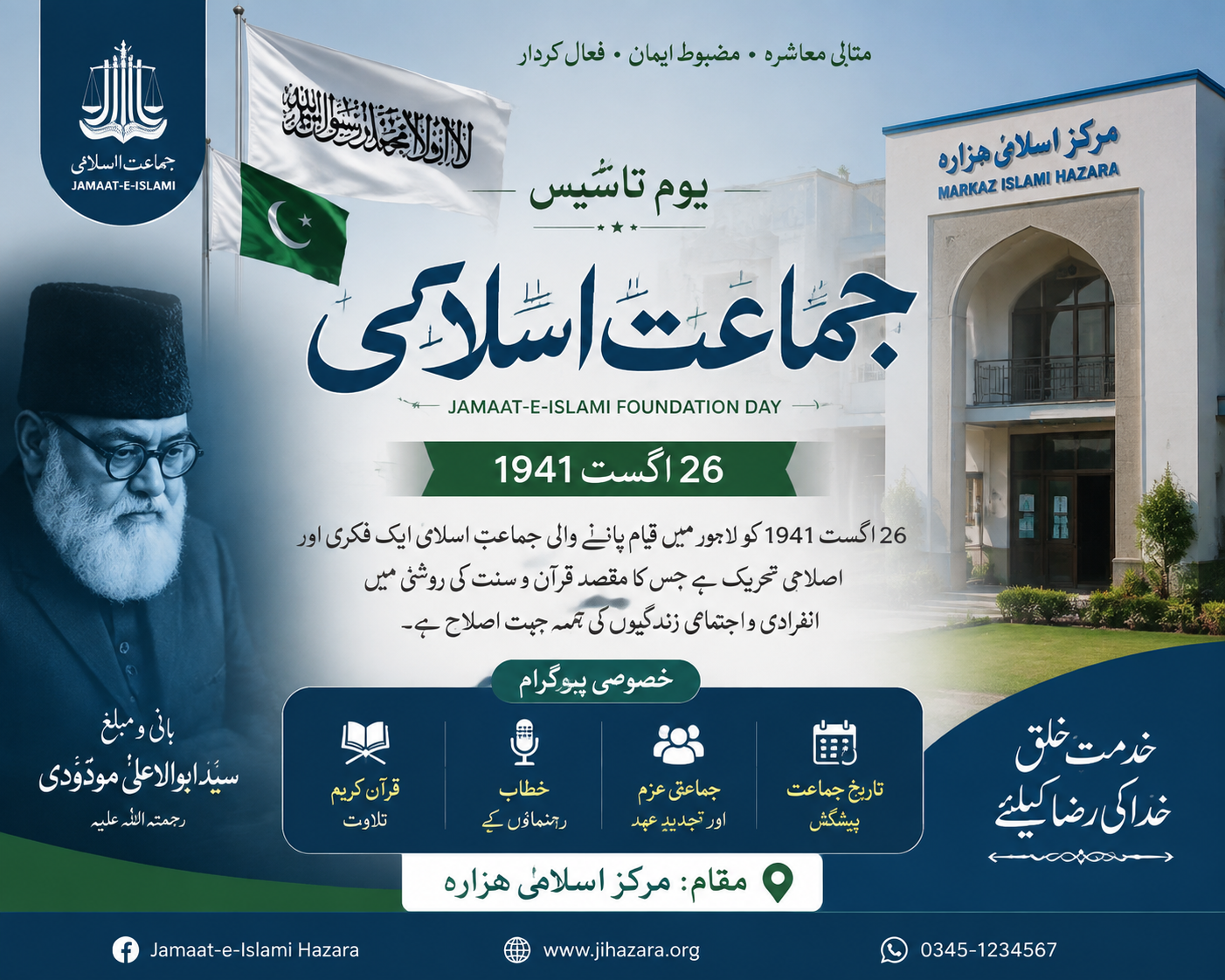
Founder of Jamaat-e-Islami

Syed Abul A'la Maududi

(1903-1979)

One of the distinguishing features of Jamaat-e-Islami is that it is free from the dominance of any family, individual, or group. The organization is founded on the principles of Shura (consultation) and democratic decision-making. Leaders and Shura councils at every level are elected through a democratic process, and the affairs of the organization are conducted through consultation.

No position or office is granted on the basis of family ties or relationship to any Ameer. Instead, members freely elect their leadership, giving priority to sincerity, piety, integrity, competence, and leadership ability.

The founding Ameer, Syed Abul A’la Maududi (RA), led the organization from 1941 to 1972. He was succeeded by Mian Tufail Muhammad (RA), who served until 1987, followed by Qazi Hussain Ahmad (RA) until 2009, Syed Munawar Hasan until 2014, and Siraj-ul-Haq, who has served as Ameer since then.

Notably, these five Ameers have no familial, linguistic, or regional relationship with one another. Syed Abul A’la Maududi hailed from Hyderabad Deccan and was an Urdu speaker. Mian Tufail Muhammad belonged to Kapurthala and was a native Punjabi speaker. Qazi Hussain Ahmad was from Nowshera and spoke Pashto as his mother tongue. Syed Munawar Hasan was born in Delhi and was an Urdu speaker, while the current Ameer, Siraj-ul-Haq, belongs to Dir and is a native Pashto speaker.

This reflects one of Jamaat-e-Islami’s defining principles: every member has the opportunity to assume positions of responsibility based on merit, character, capability, and commitment to the organization, rather than family background or inherited status.

Jamaat-e-Islami

Why is it unique?

The Islamic thinker Syed Abul A’la Maududi (RA) presented the vision of Iqamat-e-Deen (the establishment of Islam) and Islam as a complete way of life. Through his extensive writings and practical struggle for the establishment of an Islamic social order, he introduced ideas that influenced not only the Muslims of the Indian subcontinent—including Pakistan, India, Bangladesh, Kashmir, and Sri Lanka—but also had a profound global impact.

From Türkiye to Egypt, from Asia to Africa, and from the Arab world to the West, there are few regions where the influence of his thought has not been felt. Islamic movements and Muslim communities across the world have benefited from his ideas and intellectual contributions. His vision has inspired millions of people, transformed countless lives, and encouraged efforts toward the establishment of Islamic values and systems in many countries, the effects of which continue to be seen today.

Jamaat-e-Islami advocates brotherhood and unity among Muslims worldwide and strives to strengthen these bonds. At the same time, it supports building relations with all nations based on mutual respect, equality, justice, and peaceful cooperation.

Jamaat-e-Islami

Why is it unique?

Jamaat-e-Islami believes in bringing about positive change through constitutional and democratic means. To uphold these principles, the organization maintains a well-established system of democracy and Shura (consultation) within its own structure. From the Central Ameer to the Union Council Ameer, leaders are elected through a transparent electoral process in which members exercise their independent judgment to choose their representatives at every level.

In this regard, Jamaat-e-Islami considers its internal democratic system one of its defining characteristics. The term of the Central Ameer is five years, while Provincial Ameers serve for three years and District Ameers for two years. Members also elect the Central, Provincial, District, and Tehsil Shura councils through voting.

The policies and direction of the organization are determined through consultation with the Shura, ensuring collective decision-making rather than individual authority. When electing the Ameer and members of the Shura, emphasis is placed on integrity, competence, performance, trustworthiness, commitment to the organization, and the ability to fulfill leadership responsibilities. Family background or association with any influential family—including that of the Ameer—is not considered a qualification or criterion for holding any office or responsibility within the organization.

Jamaat-e-Islami

Why is it unique?

One of the distinguishing features of Jamaat-e-Islami is that it is free from the dominance of any family, individual, or group. The organization is founded on the principles of Shura (consultation) and democratic decision-making. Leaders and Shura councils at every level are elected through a democratic process, and the affairs of the organization are conducted through consultation.

No position or office is granted on the basis of family ties or relationship to any Ameer. Instead, members freely elect their leadership, giving priority to sincerity, piety, integrity, competence, and leadership ability.

The founding Ameer, Syed Abul A’la Maududi (RA), led the organization from 1941 to 1972. He was succeeded by Mian Tufail Muhammad (RA), who served until 1987, followed by Qazi Hussain Ahmad (RA) until 2009, Syed Munawar Hasan until 2014, Siraj-ul-Haq until 2024, and Hafiz Naeem ur Rehman, who has served as Ameer since 2024.

Notably, these six Ameers have no familial, linguistic, or regional relationship with one another. Syed Abul A’la Maududi hailed from Hyderabad Deccan and was an Urdu speaker. Mian Tufail Muhammad belonged to Kapurthala and was a native Punjabi speaker. Qazi Hussain Ahmad was from Nowshera and spoke Pashto as his mother tongue. Syed Munawar Hasan was born in Delhi and was an Urdu speaker. Siraj-ul-Haq belongs to Dir and is a native Pashto speaker. The current Ameer, Hafiz Naeem ur Rehman, belongs to Karachi and speaks Urdu.

This reflects one of Jamaat-e-Islami’s defining principles: every member has the opportunity to assume positions of responsibility based on merit, character, capability, and commitment to the organization, rather than family background or inherited status.

Jamaat-e-Islami

Why is it unique?

Jamaat-e-Islami has earned a reputation for integrity and trust. Friends and critics alike have entrusted the organization and its members with positions of responsibility and public trust. Alongside its emphasis on moral and character development, Jamaat-e-Islami maintains a well-defined system of accountability that operates continuously to uphold ethical standards and address shortcomings whenever they arise.

This commitment to accountability has enabled its members to establish a strong record of honesty and trustworthiness, both within the organization and in public office. More than one thousand members and affiliates of Jamaat-e-Islami have served in the Senate, the National Assembly, Provincial Assemblies, and local government institutions. Those who have held positions as provincial ministers and district administrators have been widely recognized for their performance, prudent stewardship of public resources, and responsible use of public funds. Their record has often been acknowledged, including by political opponents.

Over the years, Jamaat-e-Islami representatives have overseen budgets amounting to billions of rupees, yet no opponent has been able to substantiate allegations of personal financial corruption against them. The organization maintains that its members have consistently remained committed to honesty and have avoided the politics of corruption, embezzlement, and misuse of public resources. It also states that its members have not been implicated in high-profile financial leak investigations, such as the Panama Papers or Dubai Unlocked, nor have they been associated with lists of individuals who received preferential land allocations or benefited from politically motivated loan write-offs.

Explore Jamaat-e-Islami

Discover our organization through these key pillars.

About US

Leadership

Our Departments

Today: Loading...
Islamic Date: Loading...
Loading...
Rozana Hidayat

Rozana Quran & Hadith

Har roz ke liye hidayat aur hikmat ke alfaz

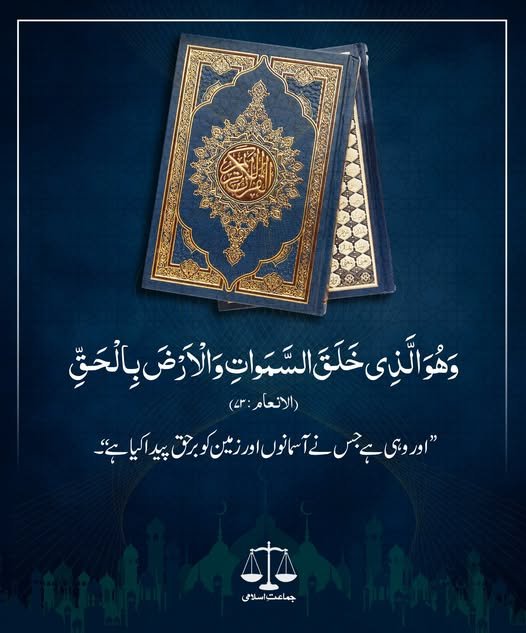
Aaj Ki Quran Aayat
إِنَّ اللَّهَ مَعَ الصَّابِرِينَ
Inna Allah-a ma'as-sabireen
بے شک اللہ صبر کرنے والوں کے ساتھ ہے
Surah Al-Baqarah (2:153)
Aaj Ki Hadith
خَيْرُ النَّاسِ أَنْفَعُهُمْ لِلنَّاسِ
Khair-un-nas anfa'uhum lin-nas
لوگوں میں سب سے بہتر وہ ہے جو لوگوں کو سب سے زیادہ نفع پہنچائے
Sahih Al-Jami' (3289)

Daily Hadees

Daily Updates

Daily Quran

Upcoming Events

Stay connected with our latest programs and gatherings.

Get In Touch

Contact Us

Have questions or want to get involved? Reach out to us

We'd Love to Hear From You

Whether you have a question about our departments, want to volunteer, or just want to say hello, feel free to reach out.

Main Office, Abbottabad, KPK, Pakistan

Main Office, Abbottabad, KPK, Pakistan

Main Office, Abbottabad, KPK, Pakistan

Main Office, Abbottabad, KPK, Pakistan

Scroll to Top